Traditions
Your Journey to a Fulfilling Life
The Igbo governing system is a unique blend of traditional and democratic elements. Here’s a breakdown of how it works.
Traditions
Traditions
The Igbo governing system is a unique blend of traditional and democratic elements. Here’s a breakdown of how it works.
Key Components
Village Administration
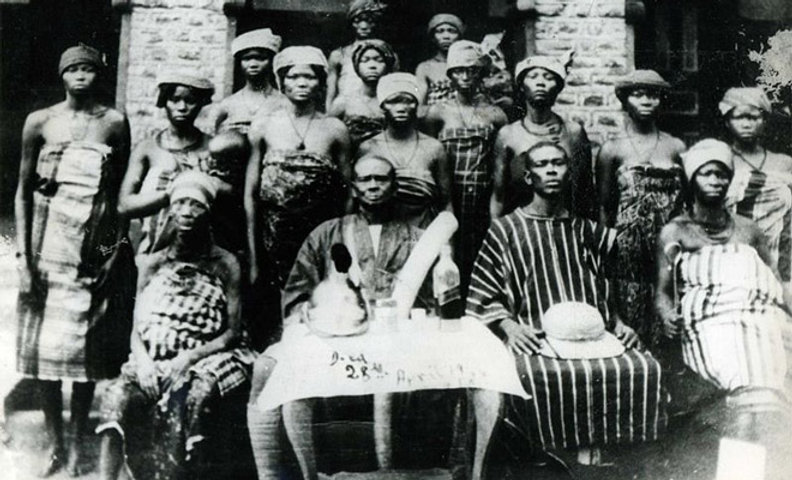
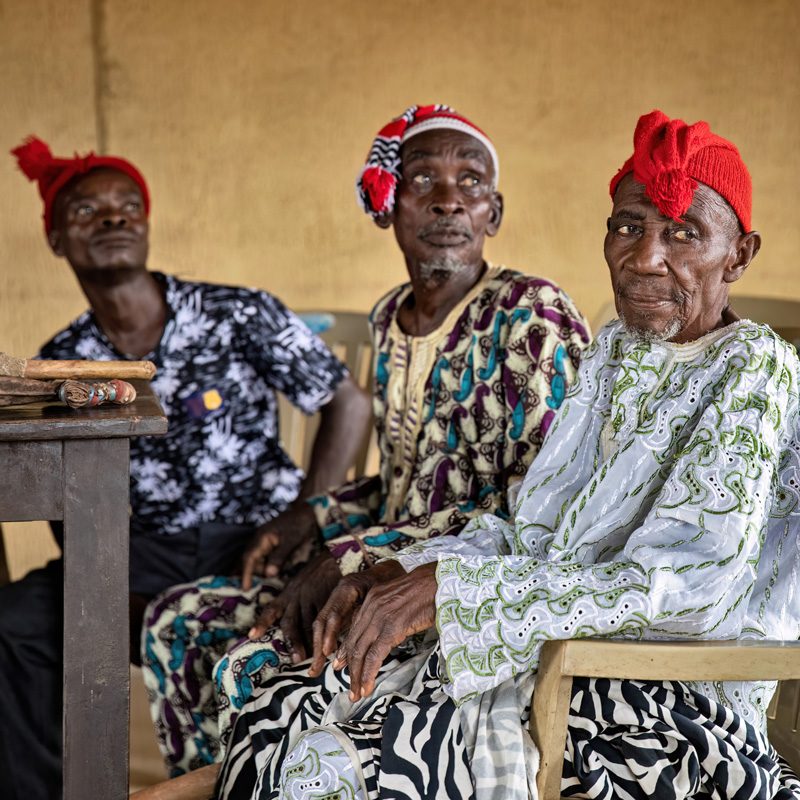
Each village has its own council of elders, comprising respected community members, often including titled individuals. These councils make decisions on local matters and settle disputes.
Village Assembly
The Village Assembly, also known as “Oha-na-Eze,” is a gathering of adult village members who discuss and debate issues until a consensus is reached.
Age-Grade Societies
These societies are organized by age groups and play a crucial role in maintaining order, resolving conflicts, and providing mentorship.
Title Holders
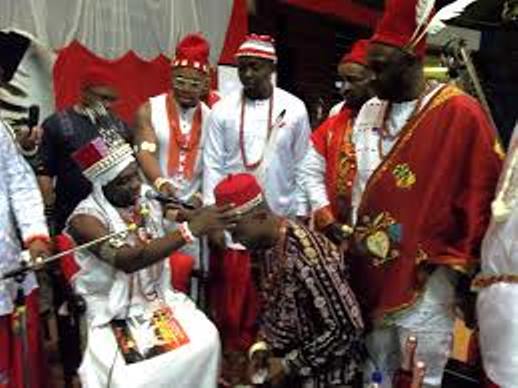
Individuals who have earned titles such as “Nze” and “Ozo” are highly respected for their contributions and wisdom.
Characteristics
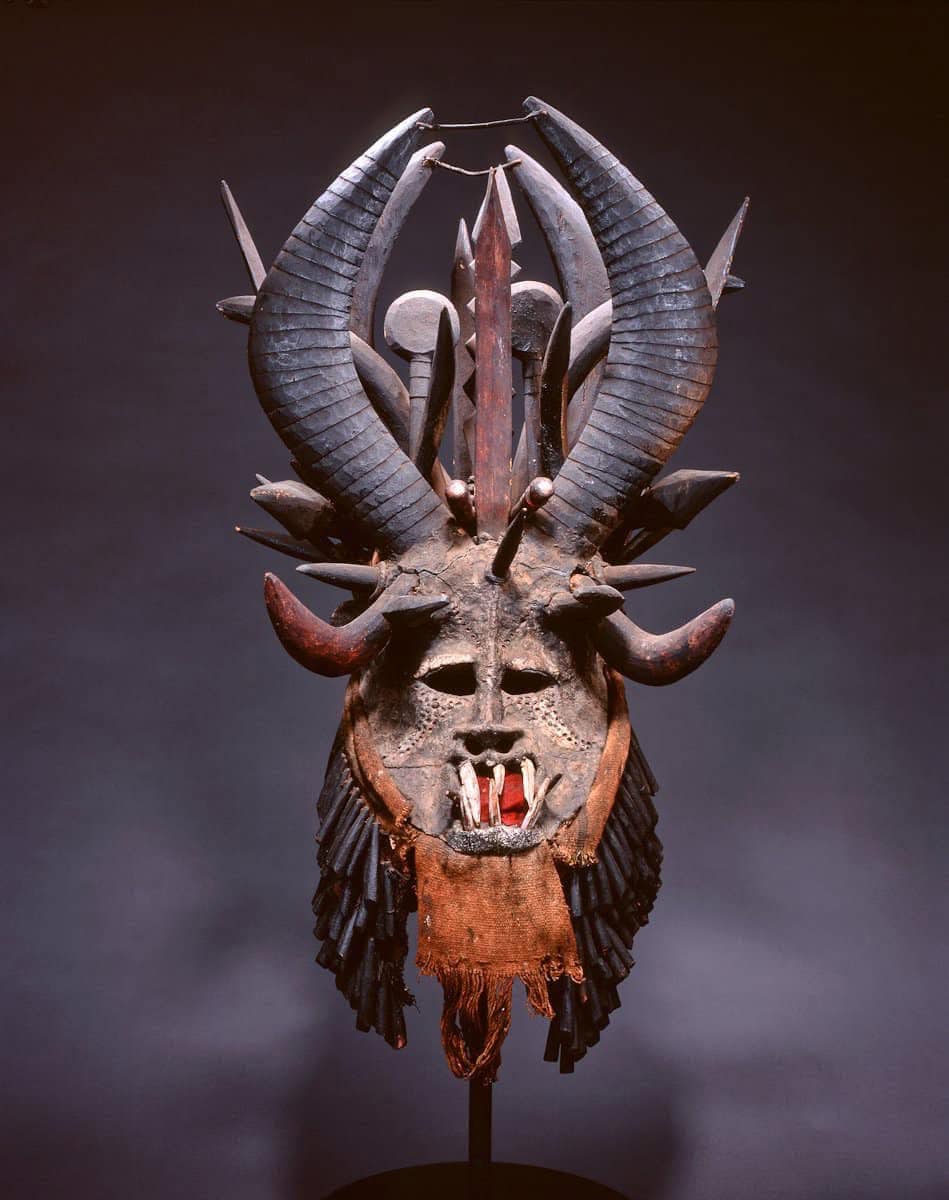
Comparison to Other Systems
The Igbo marriage system is a vibrant and meaningful tradition that involves several stages and rituals. Here’s an overview:
Stages of Igbo Marriage

Iku Ika or Iju Ese (Door Knocking)
The groom’s family visits the bride’s family to introduce themselves and ask for her hand in marriage, bringing discretionary gifts like palm wine, kola nuts, and alcoholic drinks.
Approval from the Bride’s Extended Family
The bride’s family gives their consent after investigating the groom’s background and character.


Ime Ego (Bride Payment)
The groom’s family pays the bride price, which is symbolic and negotiable, representing the groom’s commitment to care for the bride.
Igba Nkwu (Wine Carrying Ceremony)
The bride searches for the groom in a crowd and offers him palm wine, signifying their union.


Bia Malu Ulo (Visitation from Bride’s Family)
The bride’s family visits the newlyweds, bringing gifts and checking on their well-being .
Key Achievements
Bride Price Negotiation
A symbolic gesture of the groom’s commitment, often involving haggling between families.
Exchange of Gifts
Both families exchange gifts, symbolizing unity and acceptance.
Traditional Vows and Blessings
Elders invoke blessings, emphasizing marital responsibilities and expectations.
Kola Nut and Wine Sharing
Representing unity, hospitality, and acceptance within the family
Significance
Ibi Ugwu (circumcision)
In Igbo culture, male circumcision, known as “Ibi Ugwu,” is a deeply rooted tradition that dates back to ancient times. Here’s a breakdown of the practice
Age of Circumcision
Igbo parents typically circumcise their sons on the 8th day after birth, although some may choose to do it on the 3rd day or during adulthood.
Significance
Circumcision is considered essential in Igbo culture, symbolizing a rite of passage and cultural identity. Uncircumcised males are often viewed with shame.
Procedure
The circumcision process involves removing the foreskin covering the head of the penis, typically performed by experts like midwives, native doctors, or physicians.
Healing TimeThe procedure usually takes 5-7 days tzo heal, with adult circumcision taking about an hour and neonatal circumcision taking 5-10 minutes.
Health Benefits
Circumcision is believed to prevent conditions like phimosis, urinary tract infections, and penile cancer, while also reducing the risk of sexually transmitted diseases.
Cultural Preservation
The tradition of circumcision is closely tied to Igbo cultural heritage, with many viewing it as an integral part of their identity.
In modern times, the practice has evolved, with medical professionals often performing the procedure in hospitals or clinics. However, traditional methods are still prevalent, particularly in rural areas
Key Aspects of the Festival
Date
Typically celebrated in August or September, marking the end of the rainy season and the beginning of a new agricultural cycle.
Purpose
To express gratitude to the earth goddess, Ala, and the yam deity, Njoku/Ifejioku, for a successful harvest.
Traditions
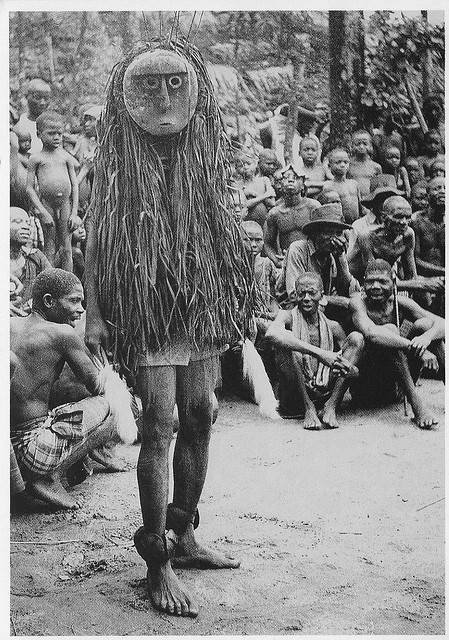
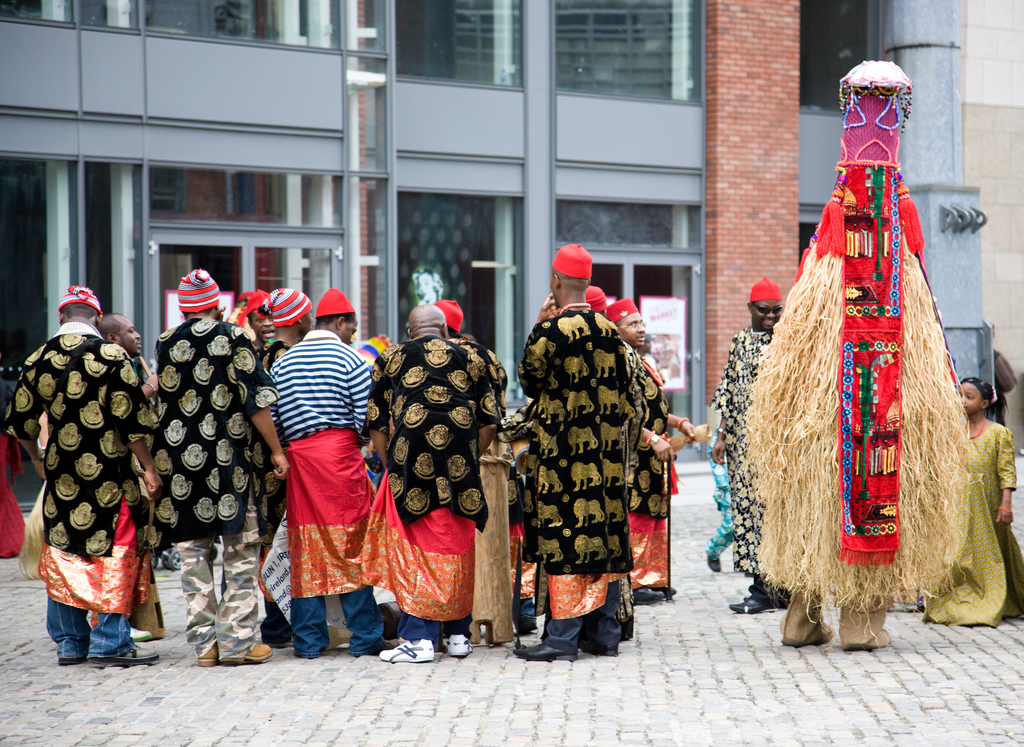
The festival involves various rituals, including the ceremonial eating of the first yam by the community leader, traditional dances, masquerades, and feasting.
Cultural Significance
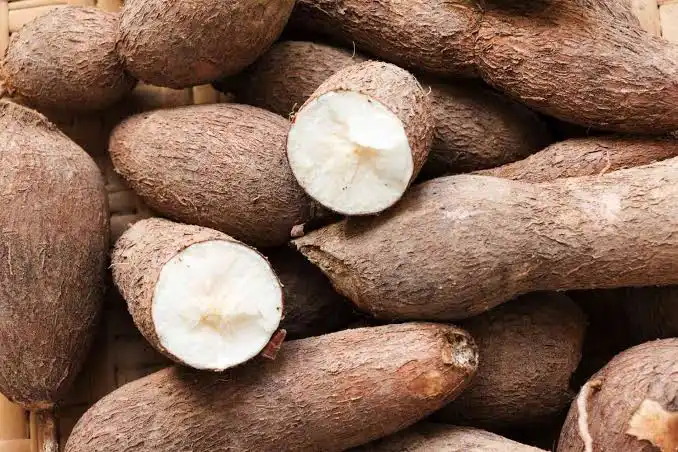
The festival showcases the importance of yam in Igbo culture, symbolizing wealth, prosperity, and sustenance.